
Key takeaways
- Back office automation handles high-volume, rule-based tasks like data entry, invoice matching and status updates with speed and consistency.
- Human judgment still wins on exceptions, ambiguity, empathy and anything with legal, financial or reputational risk.
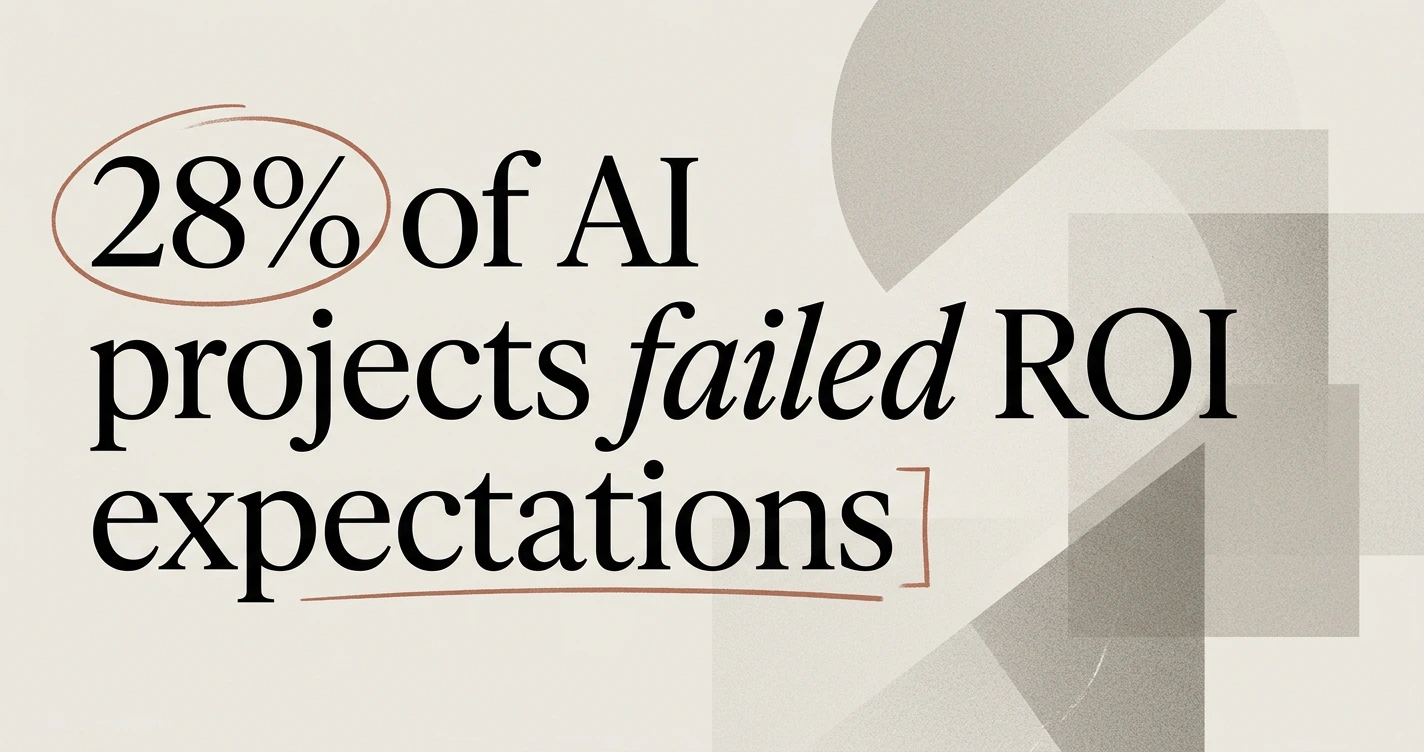
- In 2026, Gartner found only 28% of AI projects in infrastructure and operations fully met ROI expectations, a warning against rushing to automate everything.
- A hybrid workflow routes the predictable path to software and the messy edge cases to trained people, with clear escalation rules between them.
- Design for the exception, not the average: over-automation fails when real work does not match the tidy process you automated.
Automate the predictable work and keep people on the judgment calls. That single rule settles most of the back office automation vs human support debate, because software is fast and consistent on repeatable tasks while people are better at exceptions, context and anything with real consequences. The hard part is drawing the line in the right place, and drawing it wrong in either direction costs you money and goodwill.
Many teams swing too far one way. They either automate a messy process that was never clean enough to automate, or they staff humans on work a simple rule could finish in seconds. This guide shows what automation does well, where human judgment still wins, how to build a hybrid workflow, and how to keep from over-automating.
What does back office automation handle well?
Back office automation shines on high-volume, rule-based work where the inputs are predictable and the right action is clear. In 2026, roughly 8 in 10 consumers said AI bots are helpful for simple issues, according to Zendesk benchmark data (Zendesk, 2026). The same logic applies behind the scenes: routine tasks are the natural home for software.
Good candidates share a few traits. The task repeats often, follows a stable set of rules, and has a clear definition of done. Think data entry from standard forms, invoice matching against purchase orders, order status updates, payroll runs and routine reconciliations.

Where automation struggles is the opposite: messy inputs, frequent exceptions and tasks that need outside context to resolve. A scanned document with a smudged total, a vendor who changed their format, or a customer record that contradicts itself will stop a bot cold or, worse, push a wrong value through at full speed. Automation does not get tired, but it also does not notice when something looks off.
For back office functions specifically, the practical win is throughput on the steady 80% of volume. A buyer's view of what to hand off and what to keep is covered in our back office outsourcing services buyer's guide, and the same framing applies to automation: scope the repeatable part first.
Where does human judgment still win?
Human judgment wins wherever the work needs context, empathy or accountability. In 2026, Zendesk found 80% of consumers expect support agents to help them with everything they need (Zendesk, 2026). People will accept a bot for speed, but they still want a capable person available when it matters.
The strongest case for a human comes down to risk and ambiguity. A disputed charge, a compliance gray area, an angry customer or an unusual edge case all share the same quality: a wrong decision is expensive, and the right decision depends on judgment a rule cannot encode. These are exactly the moments where a trained person saves the relationship or the money.
Empathy is the other half. A frustrated customer wants to feel heard before they want a resolution, and a human can read tone, de-escalate and adapt in a way scripted automation cannot. That emotional read is why the human escalation path still matters even in heavily automated operations. Clean, fast handoffs between a bot and a person are what keep that escalation from feeling like a dead end.

There is a practical reason to keep people close even when automation handles the bulk. When 51% of consumers say they prefer bots for immediate service (Zendesk, 2026), that still leaves roughly half who do not, and it leaves every complex case uncovered. The human vs automation choice comes down to matching each situation to the tool that handles it best, case by case.
How do you design hybrid back office workflows?
Design hybrid workflows by splitting each process into a predictable path and an exception path, then assigning software to the first and people to the second. The goal is a clean handoff, not a tug of war. Map the process end to end before you automate a single step, because you cannot route exceptions you have not named.
Start with these steps:
- Document the full process, including every way it currently goes wrong.
- Identify the rule-based majority: the cases that always follow the same path.
- Automate that majority, with a confidence threshold that triggers a handoff.
- Define the exception queue: who gets flagged cases, how fast, and with what context.
- Measure accuracy and exception rate weekly, and move the line based on data.
The handoff rules deserve the most care. When automation hits a case it cannot resolve confidently, it should pass the full context to a person, not dump a cryptic error. A person picking up an exception needs the record, the history and the reason it was flagged, so they can decide quickly instead of starting from scratch.
This is also where measurement keeps you honest. Track how often automation succeeds unattended, how often it escalates, and how long exceptions take to clear. Those numbers tell you whether the split is set correctly. If the exception queue keeps growing, the automated path is too aggressive. The same metrics discipline that support leaders apply to call center performance transfers directly to back office work.
How do you avoid over-automation pitfalls?
Avoid over-automation by proving ROI on one process before scaling, because most automation projects do not hit their targets. In 2026, Gartner found only 28% of AI use cases in infrastructure and operations fully succeeded and met ROI expectations, while 20% failed outright (Gartner, 2026). Rushing to automate everything is how teams land in that failing group.

The most common pitfall is automating a process that was never stable enough to automate. If the inputs vary, the rules change often, or exceptions are the norm rather than the edge, software will either break constantly or quietly produce wrong results. Automation amplifies whatever process you point it at, so a shaky process gets worse, not better.
A second trap is removing the human escape hatch to cut cost. When a bot cannot resolve something and there is no easy path to a person, the customer or the internal user is stuck, and small problems turn into complaints. Keeping a visible, fast route to a human protects the experience and catches the cases automation gets wrong.
The warning is not limited to small projects. Industry analysts expect a large share of ambitious automation and agentic AI efforts to be scrapped in the coming years as costs climb and the value stays unclear. Automate deliberately, measure early, and be willing to pull a step back to a person when the data says the machine is not ready.
How does Connectra blend people and tools?
Connectra BPO blends automation and people by running the predictable volume through tooling and staffing trained specialists on the exceptions and the conversations that need judgment. From our team in Tashkent, that means software carries routine data entry, status updates and reconciliations, while people own disputes, sensitive cases and multilingual customer contact where tone matters.
The model follows the same split this guide recommends. Rule-based tasks get the speed and consistency of automation. Anything with ambiguity, emotion or real consequence stays with a person who has the context to decide well. The handoff between the two is treated as part of the workflow, not an afterthought, so flagged cases reach a qualified agent with the full record attached.
That balance is what keeps quality high as volume grows. It also keeps the human escape hatch open, which is the single safeguard that over-automated operations tend to lose. If you are weighing how much to automate across your own operations, start by scoping one clean, repeatable process, measure its exception rate honestly, and keep a person one click away for everything else.